 Order before 2 PM (Mon–Fri) – ships the same day
 Free shipping from €75
 Discreet packaging & shipping



Magic Mushrooms UK: What You Need to Know in 2026
Over the past few years, interest in magic mushrooms in the UK has quietly grown again. From podcasts and documentaries to clinical research and cultural conversations, psilocybin — the active compound in magic mushrooms — is back in the spotlight.
Search volumes for terms like “Magic Mushrooms UK,” “psilocybin research Britain,” and “psychedelic therapy UK” continue to rise. So what’s behind this renewed attention?
Let’s explore.
A Natural Curiosity
Magic mushrooms are fungi that contain psilocybin, a naturally occurring psychedelic compound. Once in the body, psilocybin interacts with serotonin receptors, influencing perception, mood, and cognition.
One of the most well-known species found in Britain is Psilocybe semilanceata, often called the Liberty Cap. These mushrooms naturally grow in grassy areas during autumn across parts of the UK.
For many, the curiosity isn’t just about altered perception — it’s about personal insight, creativity, and mental wellbeing. That shift in perception has changed how the public talks about psychedelics.
Why Are People Talking About Psilocybin Again?
A major reason is scientific research.
At Imperial College London, researchers have conducted pioneering studies on psilocybin and its potential therapeutic effects.
Clinical trials have explored its role in:
-
Treatment-resistant depression
-
Anxiety disorders
-
Addiction
-
End-of-life distress
These studies are conducted in strictly controlled medical environments, but the results have sparked global discussion.
For many people in the UK, this research has shifted the narrative from “counterculture substance” to “scientific interest.”
A Cultural Shift
In the 1960s, psychedelics were closely tied to counterculture movements. Today, the conversation is more nuanced.
Entrepreneurs, creatives, therapists, and researchers are openly discussing psychedelics in documentaries, books, and mainstream media.
This doesn’t change the law — but it does change public perception.
Mental Health Conversations
The UK has seen growing awareness around mental health in recent years. As traditional treatments don’t work for everyone, researchers are exploring alternative approaches.
Psilocybin therapy — under clinical supervision — is one area of interest. Brain imaging research suggests it may temporarily increase neural connectivity and disrupt rigid thought patterns.
It’s important to note that this research is still ongoing, and therapy is very different from unsupervised use.
Safety Matters
Like any psychoactive substance, psilocybin carries risks.
Possible effects can include:
-
Anxiety or panic
-
Confusion
-
Nausea
-
Heightened emotions
Set, setting, and mental health history play major roles in how someone experiences psychedelics.
Responsible education is always key.
UK vs The Rest of the World
Globally, some regions are experimenting with policy reform.
Certain US states have decriminalised psilocybin. Australia has approved tightly regulated therapeutic use in medical settings.
However, in the UK, current legislation remains unchanged.
The Online Interest Boom
Google search trends show consistent growth in:
-
“Magic Mushrooms UK”
-
“Psilocybin therapy UK”
-
“Are magic mushrooms legal in Britain”
Much of this curiosity seems driven by scientific coverage and global reform news.
As public dialogue continues, education remains essential.
What’s Next for the UK?
It’s difficult to predict whether UK drug policy will evolve in the near future.
Most experts agree that if change happens, it would likely begin in medical settings under strict regulation rather than recreational reform.
For now, the conversation continues — in research labs, policy discussions, and public forums.
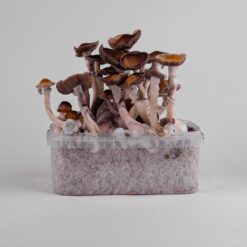
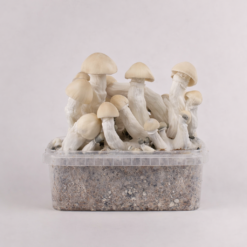
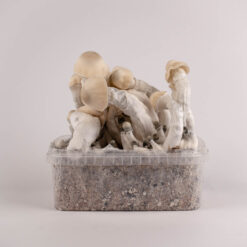
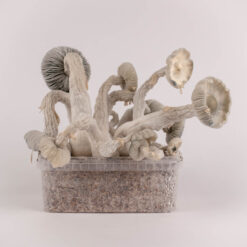
Magic Mushroom Grow Kits in the UK
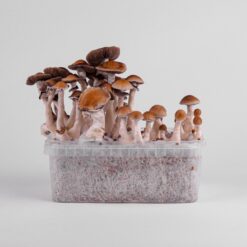
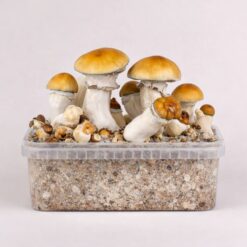
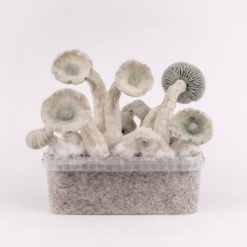
Another term that frequently appears in UK search trends is “magic mushroom grow kits.” These kits are marketed in some countries as home cultivation systems designed to simplify the growing process.
However, in the United Kingdom, cultivation of psilocybin-containing mushrooms is illegal under the Misuse of Drugs Act 1971. This means that grow kits intended for producing psychoactive mushrooms fall within the scope of prohibited activity.
Despite this, online interest in grow kits remains high. Much of this curiosity appears driven by international discussions and differing laws across Europe, where regulations may vary.
For UK readers, it is important to distinguish between global online content and domestic legal reality.
What About Magic Truffles?
Searches for “magic truffles UK” have also increased over recent years.
Magic truffles — sometimes referred to as sclerotia — contain the same active compound (psilocybin) found in magic mushrooms. In certain countries, truffles exist in a different legal category than mushrooms, which has contributed to public confusion.
In the UK, however, psilocybin is the controlled substance — not the form it appears in. This means magic truffles are treated the same under UK law.
The rise in search interest likely reflects broader global awareness rather than changes in British legislation.
The Growing Conversation Around Microdosing
One of the most talked-about topics in recent years is microdosing.
Microdosing refers to taking very small, sub-perceptual amounts of a psychedelic substance. Globally, some individuals claim it may support creativity, focus, or mood — though scientific evidence is still developing and remains mixed.
Search trends in the UK show a steady increase in queries such as:
-
“Microdosing UK”
-
“Psilocybin microdose benefits”
-
“Microdosing research Britain”
It is important to note that under UK law, psilocybin remains a Class A substance regardless of dosage. Microdosing does not change its legal status.
At the same time, ongoing research into psychedelic therapy continues to shape public interest and scientific exploration.
The Curiosity Isn’t Going Away
Interest in magic mushrooms in the UK isn’t fading — it’s evolving.
What was once seen purely as counterculture is now being discussed in research labs, podcasts, documentaries, and mainstream media. Scientific institutions are investigating psilocybin with serious attention. Public awareness around mental wellbeing is growing. And online searches continue to rise year after year.
People are asking more questions.
They’re researching.
They’re comparing.
They’re learning.
That shift matters.
Because whether the conversation is about science, culture, or personal exploration, education is always the first step. Understanding the background, the research, the risks, and the legal landscape gives context to a topic that has often been misunderstood.
As awareness grows in the UK, one thing is clear: the discussion around magic mushrooms is no longer niche — it’s mainstream curiosity.
And curiosity tends to move forward, not backward.