






 Strains
 Guides
 Tools
 Support


Mushroom Tinctures
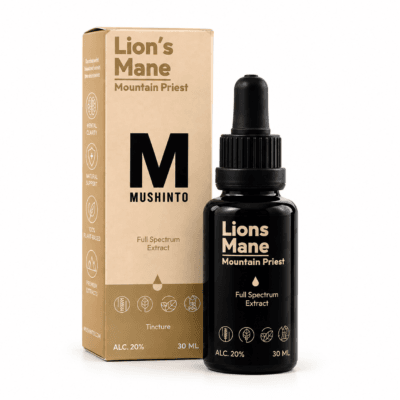
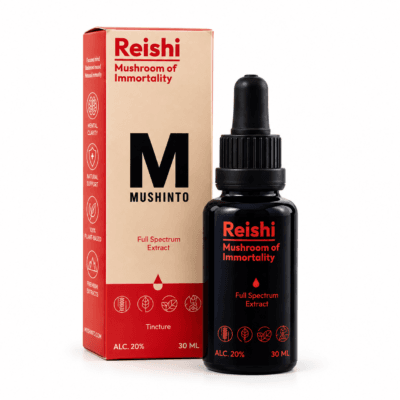
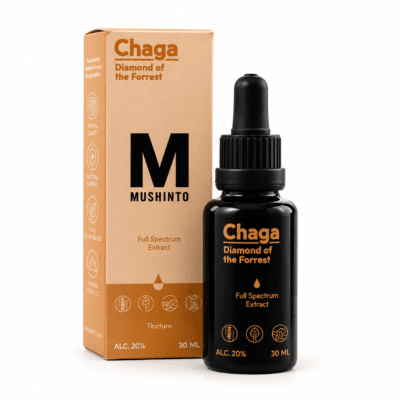
Mushroom tinctures are concentrated liquid extracts of functional mushrooms, taken a few drops at a time from a dropper bottle, either under the tongue or mixed into a drink. We sell three, all made in the Netherlands: Lion’s Mane (30 ml), Reishi (30 ml) and Chaga (30 ml or 50 ml). They are sold as food supplements. For the wider picture, see our functional mushrooms overview.
Why a tincture?
A tincture is the mushroom in liquid form. Compared with dried mushroom or tea, it is quick to use, easy to measure with the dropper and small enough to keep in a bag or on a desk. That is the main reason people choose it: a consistent amount every time, with no preparation. Chaga in particular was traditionally prepared as a tea; the tincture is a concentrated alternative to that.
Lion's Mane, Reishi or Chaga: how they differ
The three tinctures are used the same way. What separates them is the mushroom and the tradition behind it. We describe that tradition, not effects, because we do not make health claims.
| Tincture | The mushroom | Traditional background | Bottle |
|---|---|---|---|
| Lion's Mane | Recognisable by its shaggy, cascading appearance | Long history of traditional use in East Asia | 30 ml |
| Reishi | One of the oldest documented functional mushrooms | Centuries of recorded use in East Asia; often taken as part of an evening routine | 30 ml |
| Chaga | Grows on birch trees in cold climates | Northern and Eastern European folk practice, usually as a tea | 30 ml or 50 ml |
Many people simply pick the mushroom whose tradition appeals to them, or the time of day they want to fit it in: Reishi is commonly part of an evening routine, while Lion's Mane and Chaga are used at any point in the day. If you already know you like Chaga, the 50 ml bottle lasts longer than the 30 ml Chaga.
How to use a mushroom tincture
- Take a few drops under the tongue, or mix them into water, tea or another drink.
- Always follow the dosage instructions on the packaging; the included dropper makes this easy.
- Use it as part of a regular daily routine rather than now and then.
- A food supplement is not a substitute for a varied diet or for medical treatment.
- Consult a doctor before use if you are pregnant, breastfeeding or taking medication.
About our claims
Under EU rules, food supplements may only carry approved health claims, so you will not find promises about what these tinctures do for your body or mind on our site. If you want to read more about the mushrooms themselves, our article on Reishi, Chaga, Lion's Mane and Cordyceps covers their background. Orders are dispatched on working days within 24 hours, in discreet packaging.
Frequently asked questions
What is a mushroom tincture?
A mushroom tincture is a concentrated liquid extract of a mushroom, sold in a small bottle with a dropper. You take a few drops under the tongue or in a drink, following the instructions on the label.
How do you take a mushroom tincture?
Put a few drops under your tongue or mix them into a drink, and follow the dosage on the packaging. Most people take it at the same moment each day as part of a routine.
Which mushroom tincture should I choose?
Choose by the mushroom and its tradition: Lion's Mane and Reishi come from East Asian traditional use, Chaga from Northern and Eastern European folk practice. Reishi is often taken in the evening. We do not rank them by effect, because we make no health claims.
Are these mushroom tinctures psychoactive?
No. They are made from Lion's Mane, Reishi and Chaga, not from psilocybin mushrooms or truffles, and they are sold as food supplements.
Can I take a mushroom tincture with medication?
Check with your doctor first if you take medication, or if you are pregnant or breastfeeding.