






 Strains
 Guides
 Tools
Tools Support





Thai (Psilocybe cubensis) Strain
Thai is a classic Psilocybe cubensis strain associated with Thailand and Southeast Asian cubensis genetics. Known for its traditional golden-brown appearance, relatively vigorous growth and tropical background, Thai has been part of mushroom cultivation culture for decades.
Unlike modern varieties created through extensive crossing and selective breeding, Thai is generally regarded as a regional Psilocybe cubensis strain. Its name refers to the country associated with the original genetics rather than a particular mushroom phenotype.
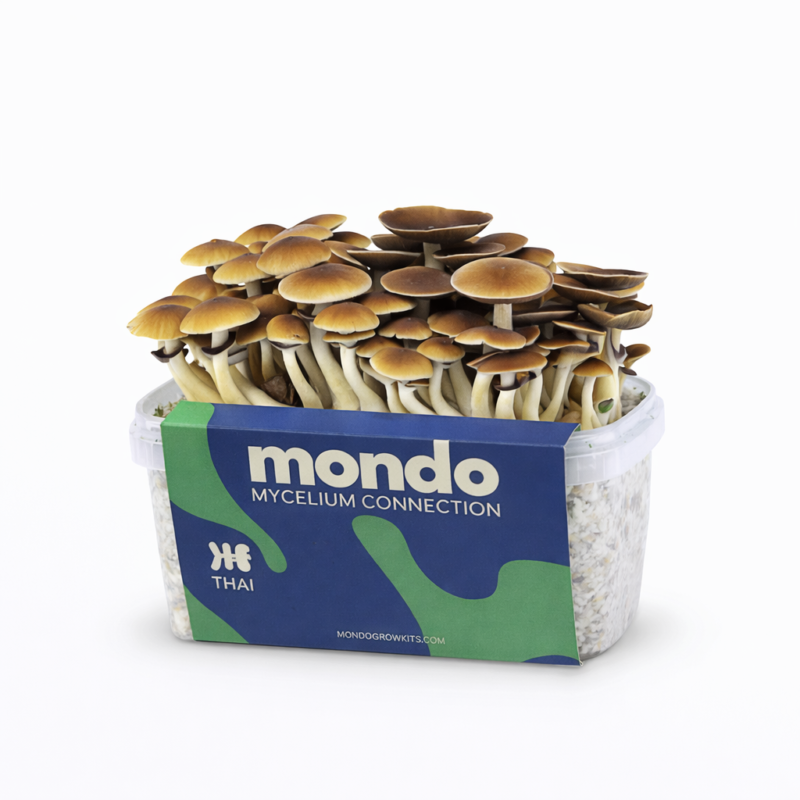
Thai mushrooms typically develop golden to caramel-brown caps, pale stems and the recognizable structure of classic Psilocybe cubensis. The strain is often associated with energetic growth and productive fruiting, although individual cultures can vary considerably.
For cultivators interested in the history and geographical diversity of Psilocybe cubensis, Thai represents one of the established Southeast Asian lines alongside other regional strains from tropical parts of the world.
Thai Strain Profile
| Property | Rating |
|---|---|
| Potency | ⭐⭐⭐☆☆ |
| Visual Effects | ⭐⭐⭐⭐☆ |
| Introspective Experience | ⭐⭐⭐☆☆ |
| Beginner Friendly | ⭐⭐⭐⭐☆ |
| Growing Difficulty | ⭐⭐☆☆☆ |
| Yield Potential | ⭐⭐⭐⭐☆ |
Quick Strain Facts
| Property | Details |
|---|---|
| Species | Psilocybe cubensis |
| Strain | Thai |
| Potency | Medium |
| Difficulty | Easy to Intermediate |
| Associated Origin | Thailand |
| Region | Southeast Asia |
| Appearance | Golden to caramel-brown caps |
| Bruising | Blue when damaged |
What Do Thai Mushrooms Look Like?
Thai Psilocybe cubensis mushrooms generally display the traditional appearance of wild-type cubensis genetics rather than the unusual forms seen in modern albino or mutant strains.
The mushrooms typically develop relatively slender pale stems supporting golden or caramel-colored caps. Cap color can change noticeably during development, with younger mushrooms often appearing darker than mature specimens.
Cap
- Color: golden to caramel brown
- Often darker toward the center
- Rounded or convex when young
- Expands as the mushroom matures
- Can become lighter with age
Stem
- White to pale cream
- Usually slender to moderately thick
- Can develop relatively tall fruiting bodies
- Bruises blue when damaged
Spores
Mature Thai cubensis mushrooms produce the dark spores characteristic of Psilocybe cubensis. Spore deposits typically appear dark purple-brown to almost black.
Where Does the Thai Mushroom Strain Come From?
The Thai mushroom strain is associated with Thailand, where Psilocybe cubensis occurs in the warm and humid conditions found across parts of Southeast Asia.
The tropical climate provides a suitable natural environment for the species. Psilocybe cubensis has been documented across several tropical and subtropical regions of the world, including Southeast Asia.
Thai genetics entered international mushroom cultivation collections and eventually became established as one of the classic geographically named cubensis strains.
As with many older cultivated strains, the exact history of the original culture is difficult to reconstruct. Claims about a specific collector, location or year should therefore be treated cautiously unless supported by reliable documentation.
Thai Psilocybe cubensis Genetics
Thai belongs to the group of regional Psilocybe cubensis genetics whose names are connected with the geographical locations associated with their collection or distribution.
These traditional varieties are different in concept from modern crosses such as many Penis Envy hybrids or albino selections. Rather than being intentionally created by combining established strains, regional varieties developed from cubensis genetics associated with particular parts of the world.
That makes Thai interesting for enthusiasts exploring the genetic diversity and cultivation history of Psilocybe cubensis.
Thai Potency and Effects
Thai mushroom potency is generally considered moderate within the wider spectrum of Psilocybe cubensis strains.
However, strain names cannot provide an exact measurement of psilocybin or psilocin concentration. Alkaloid levels can vary between individual mushrooms, cultures and separate harvests.
Reported characteristics commonly associated with Thai cubensis include:
- enhanced colors and visual contrast
- geometric visual patterns
- euphoria
- energetic or uplifting sensations
- creative thinking
- changes in sensory perception
- introspection
- altered perception of time
The character and intensity of any psychedelic experience remain highly individual and cannot reliably be predicted from strain name alone.
Thai vs Golden Teacher
Thai and Golden Teacher are both established Psilocybe cubensis strains with the traditional golden-brown appearance associated with the species.
The biggest distinction is their historical background. Thai is associated with Southeast Asian genetics and Thailand, while the precise geographical origin of Golden Teacher remains uncertain.
| Characteristic | Thai | Golden Teacher |
|---|---|---|
| Species | Psilocybe cubensis | Psilocybe cubensis |
| Associated Origin | Thailand | Uncertain |
| Cap Color | Golden to caramel brown | Golden to yellow-brown |
| Potency Reputation | Medium | Medium |
| Difficulty | Easy to Intermediate | Easy |
| Known For | Southeast Asian genetics | Reliability and beginner-friendly reputation |
Thai vs B+
Thai and B+ are both classic-looking cubensis varieties, but their histories are quite different.
Thai is associated with regional Southeast Asian genetics, whereas the exact origin and early history of B+ remain debated within mushroom cultivation culture.
| Characteristic | Thai | B+ |
|---|---|---|
| Appearance | Classic cubensis | Classic cubensis |
| Cap Color | Golden to caramel | Golden to medium brown |
| Potency Reputation | Medium | Medium |
| Difficulty | Easy to Intermediate | Easy |
| Associated Origin | Thailand | Uncertain |
| Genetic Character | Regional Southeast Asian line | Established cultivated strain |
Products used here
✓ In stock
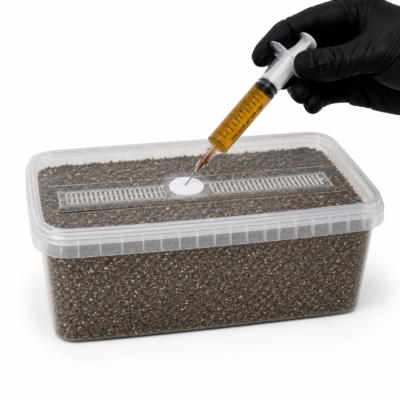
✓ In stock


Thai Growth Characteristics
Thai is generally associated with vigorous Psilocybe cubensis growth and traditional mushroom development.
Its conventional morphology makes the different stages of fruit development relatively easy to recognize compared with unusual albino, blob-forming or Penis Envy-derived genetics.
| Characteristic | Typical Profile |
|---|---|
| Growth Speed | Medium to Fast |
| Difficulty | Easy to Intermediate |
| Fruit Size | Medium |
| Fruiting Style | Clusters and individual fruits |
| Cap Development | Convex, expanding with maturity |
| Stem Structure | Slender to moderately thick |
| Yield Potential | Medium to High |
These characteristics represent a general profile rather than fixed specifications. Individual cultures can display differences in growth speed, fruit size, morphology and productivity.
Thai Yield Potential
Thai Psilocybe cubensis is generally associated with good fruiting potential and can produce productive clusters under suitable conditions.
Exact harvest weights cannot be determined from the strain name. Yield depends on genetics, substrate volume, culture health and environmental conditions.
Different flushes from the same culture can also vary considerably in both the number and size of mushrooms produced.
Thai Mushrooms and Southeast Asian Cubensis
Southeast Asia has an important place in the natural history of Psilocybe cubensis. The warm temperatures, seasonal rainfall and humid conditions found throughout parts of the region provide suitable conditions for the species.
Thailand is therefore represented by several names within mushroom cultivation culture, and not every strain carrying a Thai-related name should automatically be assumed to represent identical genetics.
The standard Thai strain is best understood as one of the established regional cubensis lines associated with the country rather than as a modern selectively bred phenotype.
Is Thai a Good Beginner Strain?
Thai is generally considered an approachable strain for those exploring traditional Psilocybe cubensis genetics.
Its conventional fruiting structure makes mushroom development easier to recognize than with many unusual modern varieties. It is also commonly associated with vigorous growth and productive fruiting.
These characteristics place Thai alongside established strains such as Golden Teacher and B+ as one of the more recognizable classic cubensis varieties.
Why the Thai Strain Is So Popular
Thai has remained part of mushroom cultivation culture despite the arrival of increasingly complex hybrids and albino strains.
Its popularity comes from a combination of:
- classic Psilocybe cubensis appearance
- Thai and Southeast Asian heritage
- vigorous growth reputation
- good fruiting potential
- traditional golden-brown caps
- long-standing cultivation history
For enthusiasts exploring geographically associated Psilocybe cubensis strains, Thai represents an established Southeast Asian line with a distinctly different history from modern selectively bred varieties.
Discover more varieties in our Magic Mushroom Strain Library or explore our Psilocybe cubensis genetics.
Thai from Mondo
Every Mondo product comes with a step-by-step manual on our site, and orders ship discreetly with tracking.
View the Thai grow kitThai Strain FAQ
Thai is a Psilocybe cubensis strain associated with Thailand and Southeast Asian genetics. It is known for its classic golden-brown cubensis appearance, relatively vigorous growth and established history within mushroom cultivation.
The Thai strain is associated with Thailand in Southeast Asia, where Psilocybe cubensis occurs in suitable tropical and subtropical environments. The exact original collection behind today’s cultivated Thai genetics is not clearly documented.
Thai mushrooms generally produce golden to caramel-brown caps with white or pale cream stems. Their appearance is characteristic of traditional Psilocybe cubensis rather than modern albino or mutant varieties.
Thai is generally considered an approachable Psilocybe cubensis strain. Its conventional morphology and reputation for vigorous growth make it less unusual in development than many modern albino or Penis Envy-derived varieties.
Both are traditional-looking Psilocybe cubensis strains. Thai is associated with Thailand and Southeast Asian genetics, while the exact geographical origin of Golden Teacher remains uncertain. Golden Teacher is particularly known for its beginner-friendly reputation.
No. Although both names are associated with Thailand, Thai and Koh Samui are generally treated as separate Psilocybe cubensis genetic lines within mushroom cultivation culture.
Yes. Like other Psilocybe cubensis mushrooms, Thai mushrooms can develop blue or blue-green bruising when their tissue is damaged.
Thai combines classic Psilocybe cubensis morphology with Southeast Asian heritage, vigorous growth characteristics and good fruiting potential. It is particularly interesting to collectors and cultivators exploring traditional geographically associated cubensis genetics.
Thai is generally regarded as a moderately potent Psilocybe cubensis strain. Actual alkaloid concentrations can vary between individual mushrooms, cultures and harvests, so strain name alone cannot determine exact potency.
Both Thai and Golden Teacher are generally described as having moderate potency. There is too much natural variation between individual cultures and mushrooms to state that one strain is consistently stronger than the other.