




 Strains
 Guides
 Tools
 Support


PES Hawaii (PES Hawaiian) – Psilocybe cubensis Strain
PES Hawaii, also known as PES Hawaiian, is a classic Psilocybe cubensis strain recognized for its attractive golden-brown caps, vigorous fruiting and long-standing place within mushroom cultivation culture.
Despite its tropical name, PES Hawaii should not automatically be interpreted as a Psilocybe cubensis variety originally collected in Hawaii. The PES name is generally associated with Pacific Exotica Spora, a Hawaiian spore company connected to the early distribution of the strain.
Over the years, PES Hawaiian has become known as a relatively approachable cubensis variety with classic mushroom morphology, consistent growth characteristics and good yield potential.
Its combination of traditional appearance and established genetics makes PES Hawaii particularly interesting to growers comparing classic strains such as Golden Teacher, B+ and McKennaii.

PES Hawaii Strain Profile
| Property | Rating |
|---|---|
| Potency | ⭐⭐⭐☆☆ |
| Visual Effects | ⭐⭐⭐⭐☆ |
| Introspective Experience | ⭐⭐⭐☆☆ |
| Beginner Friendly | ⭐⭐⭐⭐☆ |
| Growing Difficulty | ⭐⭐☆☆☆ |
| Yield Potential | ⭐⭐⭐⭐☆ |
Quick Strain Facts
| Property | Details |
|---|---|
| Species | Psilocybe cubensis |
| Strain | PES Hawaii |
| Alternative Name | PES Hawaiian |
| Potency | Medium |
| Difficulty | Easy to Intermediate |
| Appearance | Golden to caramel-brown caps |
| Bruising | Blue when damaged |
| Name Associated With | Pacific Exotica Spora (PES) |
What Does PES Hawaii Look Like?
PES Hawaii mushrooms have the recognizable appearance associated with classic Psilocybe cubensis genetics. They generally develop pale stems topped by warm golden, caramel or light-brown caps.
Compared with albino varieties such as True Albino Teacher or Avery’s Albino, PES Hawaiian has considerably more pigmentation and resembles the traditional cubensis phenotype.
Cap
- Color: golden brown to caramel
- Often lighter toward the edge
- Rounded or convex during early development
- Expands and becomes flatter as it matures
Stem
- White to pale cream
- Slender to moderately thick
- Can become relatively tall
- Bruises blue when mushroom tissue is damaged
Spores
Mature PES Hawaii mushrooms produce the dark spores typical of Psilocybe cubensis. Spore coloration generally ranges from dark purple-brown to almost black.
What Does PES Mean in PES Hawaii?
The PES in PES Hawaii is commonly associated with Pacific Exotica Spora, a spore company based in Hawaii that became well known within the early mushroom cultivation community.
This distinction is important because the strain name can easily give the impression that PES Hawaii represents a wild Psilocybe cubensis population originally discovered on the Hawaiian Islands.
The historical connection with Hawaii is primarily associated with the company that distributed the genetics rather than a clearly documented Hawaiian wild origin.
Is PES Hawaii Really from Hawaii?
The exact geographical origin of PES Hawaiian genetics is not clearly documented.
Although the strain carries the Hawaii name, this should not be considered proof that its original specimens were collected in Hawaii. The name is closely connected with Pacific Exotica Spora and its role in distributing mushroom genetics.
This is not unusual within Psilocybe cubensis culture. Many familiar strain names originated through collectors, vendors and cultivation communities rather than formal scientific classification.
For that reason, PES Hawaii is best understood as an established Psilocybe cubensis cultivation strain rather than a scientifically recognized geographical variety.
PES Hawaii Potency and Effects
PES Hawaii potency is generally considered moderate within the broad spectrum of Psilocybe cubensis genetics.
However, strain names are not reliable measurements of psilocybin concentration. Alkaloid content can vary between individual mushrooms, genetic cultures and separate harvests.
Experiences commonly associated with PES Hawaiian are described as including:
- enhanced colors
- visual patterns
- euphoria
- changes in sensory perception
- creative thinking
- introspection
- altered perception of time
The intensity and character of psychedelic effects can vary considerably between individuals and should not be predicted from strain name alone.
PES Hawaii vs Golden Teacher
PES Hawaii and Golden Teacher are both classic Psilocybe cubensis strains with traditional golden-brown mushroom morphology.
The similarities mean they can sometimes look surprisingly alike, particularly when environmental conditions influence cap color and mushroom size.
| Characteristic | PES Hawaii | Golden Teacher |
|---|---|---|
| Species | Psilocybe cubensis | Psilocybe cubensis |
| Cap Color | Golden to caramel brown | Golden to yellow-brown |
| Potency Reputation | Medium | Medium |
| Difficulty | Easy to Intermediate | Easy |
| Morphology | Classic cubensis | Classic cubensis |
| Known For | Classic PES genetics | Reliability and accessibility |
Golden Teacher is particularly famous as a beginner-friendly strain, while PES Hawaii appeals to cultivators interested in classic cubensis genetics with a different cultivation history.
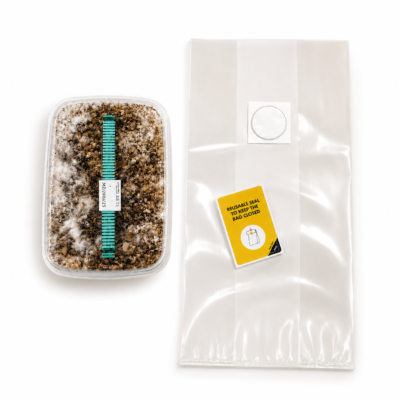
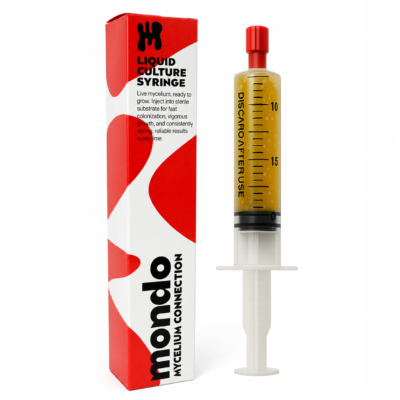
Products used here

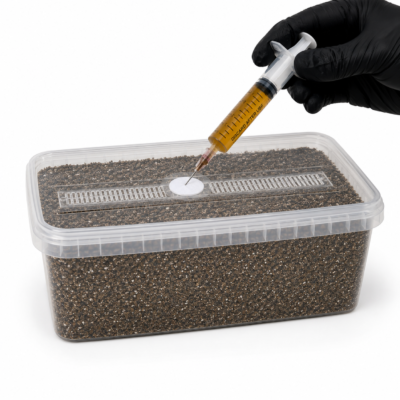
PES Hawaii vs B+
PES Hawaiian and B+ are another pair of established Psilocybe cubensis varieties that share several characteristics.
Both generally produce recognizable brown-capped cubensis mushrooms and have reputations for relatively accessible growth compared with more unusual genetic lines.
| Characteristic | PES Hawaii | B+ |
|---|---|---|
| Cap Color | Golden to caramel brown | Golden to medium brown |
| Potency Reputation | Medium | Medium |
| Growth Difficulty | Easy to Intermediate | Easy |
| Appearance | Traditional cubensis | Traditional cubensis |
| Genetic History | Associated with PES | Origin debated |
PES Hawaii Growth Characteristics
PES Hawaii is known within cultivation circles as a relatively straightforward Psilocybe cubensis strain. Its traditional morphology also makes the development of the mushrooms easier to recognize than with some albino or unusual mutant varieties.
| Characteristic | Typical Profile |
|---|---|
| Growth Speed | Medium to Fast |
| Difficulty | Easy to Intermediate |
| Fruit Size | Medium to Large |
| Cap Development | Convex, expanding with maturity |
| Stem Structure | Slender to moderately thick |
| Yield Potential | High |
These characteristics should be treated as a general strain profile rather than guaranteed specifications. Individual cultures can differ in colonization speed, fruit size, morphology and productivity.
PES Hawaii Yield Potential
PES Hawaii is generally associated with good yield potential and can develop productive clusters of medium to large mushrooms.
The actual harvest from any Psilocybe cubensis culture depends on much more than strain name. Important variables include genetics, substrate volume, environmental conditions and the overall health of the mycelium.
Different flushes can also look noticeably different. Later flushes may contain fewer individual mushrooms while producing larger fruiting bodies.
Origin and History of PES Hawaiian
The history behind the PES Hawaiian strain is particularly interesting because its name has created some confusion over the years.
PES is commonly associated with Pacific Exotica Spora, a Hawaiian spore vendor known within the mushroom cultivation community. The Hawaii or Hawaiian part of the strain name therefore has a strong connection to the distributor.
What is much less certain is the geographical origin of the genetics before they entered cultivation.
Unlike scientifically described species, cultivated Psilocybe cubensis strains do not have formal cultivar registration or standardized genetic records. Historical strain information therefore often depends on records preserved by cultivators and the wider mushroom community.
This is why claims that PES Hawaii was definitively discovered growing wild in Hawaii should be treated cautiously.
Why PES Hawaii Is So Popular
PES Hawaii has remained part of the Psilocybe cubensis landscape for many years despite the arrival of countless newer hybrids, albinos and unusual genetic lines.
Its continued popularity comes from a combination of:
- classic Psilocybe cubensis appearance
- established PES genetic history
- good yield potential
- relatively accessible growth characteristics
- recognizable golden-brown mushrooms
- long-standing reputation within cultivation culture
For enthusiasts interested in the diversity and history of Psilocybe cubensis strains, PES Hawaiian represents one of the classic cultivated varieties that predates many of today’s modern crosses and albino selections.
Explore more varieties in our Magic Mushroom Strain Library or browse our Psilocybe cubensis genetics.
PES Hawaii from Mondo
Every Mondo product comes with a step-by-step manual on our site, and orders ship discreetly with tracking.
View the PES Hawaii grow kitPES Hawaii FAQ
PES Hawaii, also known as PES Hawaiian, is a Psilocybe cubensis strain known for its golden to caramel-colored caps, classic cubensis appearance and established history within mushroom cultivation culture.
The PES name is commonly associated with Pacific Exotica Spora, a Hawaiian spore company connected with the distribution of the strain. This is an important part of the history behind the PES Hawaiian name.
Not necessarily. Although the strain is called PES Hawaii or PES Hawaiian, there is no well-documented evidence establishing Hawaii as the original geographical source of the genetics. Its Hawaiian connection is strongly associated with Pacific Exotica Spora, the company linked to its distribution.
PES Hawaii typically produces mushrooms with golden to caramel-brown caps and white to pale stems. Younger caps are usually rounded or convex and expand as the mushrooms mature.
PES Hawaii is generally considered an accessible Psilocybe cubensis strain compared with more unusual albino and mutant varieties. Its conventional mushroom morphology also makes its development relatively easy to recognize.
Both are classic Psilocybe cubensis strains with golden-brown caps and similar traditional morphology. Golden Teacher is particularly famous for its beginner-friendly reputation, while PES Hawaii has a separate history associated with Pacific Exotica Spora.
No. PES Hawaii and PES Amazonian are different Psilocybe cubensis strain names. The shared PES name reflects their historical association with Pacific Exotica Spora rather than meaning they are the same genetic line.
Yes. Like other Psilocybe cubensis mushrooms, PES Hawaii can develop blue or blue-green bruising when its tissue is damaged.
PES Hawaiian combines classic cubensis morphology with good yield potential and a long cultivation history. It remains popular among growers interested in established Psilocybe cubensis genetics rather than newer hybrids and albino varieties.
PES Hawaii is generally regarded as a moderately potent Psilocybe cubensis strain. Actual potency can vary significantly between individual mushrooms, genetics and separate harvests, so the strain name alone cannot determine exact strength.